cpanel Optimization
https://engintron.com/ – nginx fro WHM/cpanel
https://my.bluehost.com/cgi/help/2521
https://nixcp.com/free-cpanel-plugins/
https://engintron.com/ – nginx fro WHM/cpanel
https://my.bluehost.com/cgi/help/2521
https://nixcp.com/free-cpanel-plugins/
Optimizing an Entry Level WHM/Cpanel VPS Server https://my.bluehost.com/cgi/help/2521 How To Enable GZIP Compression In cPanel WHM https://nixcp.com/free-cpanel-plugins/
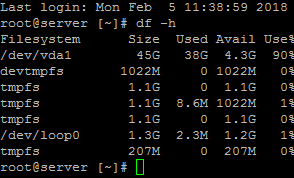
The output of the ‘df’ command will show you overall disk usage. To find out how much space a give directory is used us the ‘du -s ‘ command. Once you are connected to the server via SSH, run the following command: # df -h This will output the usage of each partition in the…
Warning the following guide will teach you how to completely delete files from your server. This needs to be run as root so be EXTRA careful before running any command and double check the files that you delete, these will be non-recoverable. If you are working on a small VPS it is not uncommon to…
ttp://www.wikihow.com/Find-a-File-in-Linux find / -type f -iname “<file you want to find>” Examples find / -type f -iname “libphp5.so” find / -type d -iname “ibdata1” find / -type f -iname “*arcconf” grep -R ‘AllowNoPassword’ / egrep ‘User’ /etc/apache2/apache2.conf grep DocumentRoot /etc/apache2/apache2.conf To find files larger than 100MB, use this command: find / -type f -size +100000k…
http://www.wikihow.com/Find-a-File-in-Linux find / -type f -iname “libphp5.so” find / -type d -iname “ibdata1” find / -type f -iname “*arcconf” grep -R ‘AllowNoPassword’ / egrep ‘User’ /etc/apache2/apache2.conf grep DocumentRoot /etc/apache2/apache2.conf To find files larger than 100MB, use this command: find / -type f -size +100000k -exec du -h {} \; Search within files for specific text:…
############ Creating Users ############ useradd————— create a user with default home directory useradd -m <username> Create a user with different home directory useradd -m -d <directoy> <username> Create A User With An Expiry Date useradd -e 2016-02-05 <username> ###note The date must be specified in the format YYYY-MM-DD How To Create A User And Assign…